#one day I understood DEEP in my heart that a diagnosis isn’t the person. I was blessed over the final years of my dear Dad’s life by realizing if we kept treating Dad as a whole person, others who interacted with him would too.
When you are caring for a loved one with dementia, you might want to answer for them to make things easier, to be more efficient, to protect them from saying something that doesn’t make sense.
On the day my dear Dad was diagnosed with dementia, the neurologist never said the word to us. He treated my Dad with kindness, with respect, with humanity. He assessed Dad thoroughly while making it seem that they were just having a chat.
Doctor: I need to update my records here. Is Bob your full name?
Dad: Robert Irwin
Doctor: Oh, yes. Thank you. And I need to make sure I have your full address.
Dad: Starts, stops, is clearly confused, and then looks to my Mom.
Doctor: Sorry, Bob, I have it here. He reads out the address.
Dad: (proudly), Yes, that is correct. (now he and the doctor are teammates)
It went on like this. Assessment questions, Dad having trouble, and the doctor supporting him all the while tracking where the issues were.
When he asked questions about mobility and physical challenges, he would ask, Dad would answer, and he would look to me (standing behind Dad) to confirm or clarify the answer.
Doctor: Are you still driving?
Dad: Oh, yes.
Me: Shaking my head no.
Doctor: Have you ever found yourself getting lost when driving or walking?
Dad: No. That hasn’t happened to me.
Me: Nodding my head yes. (Dad got lost going to the eye doctor in the car. He also wandered and got lost while waiting 3 minutes for my mom to bring the car around.)
The written diagnosis was clear and medical. The in person visit was kind and caring. I think of this doctor often. He specializes and sees people every day at one of the worst moments in their life. He could easily be cold or jaded or unnecessarily direct. But he isn’t.
I learned along the way with Dad that when we treat him as the whole person he is, we will mostly find others will do the same. This often meant me walking ahead and whispering that Dad might need some extra support and asking people to please be patient. (haircuts, ordering food, trying on shoes)
Until faced with all the challenges of caring for a love one with dementia, I didn’t know how many people would step up and consider themselves part of the team taking care of Dad. How could I?
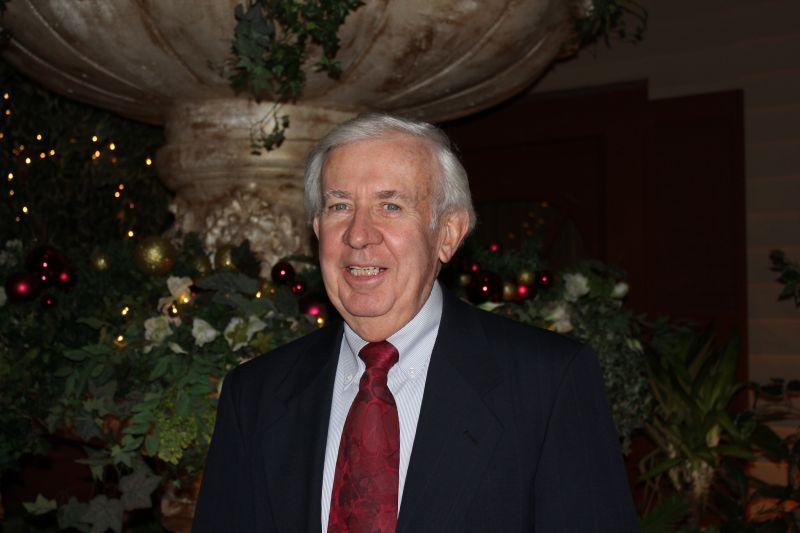
(photo of Dad in front of twinkling tree)
 Kelley Irwin
Leave a comment